
| Let's Play Lumino City | 04/12/2014 00:00 |
| Tweet |
Part 2 - Raining Cats and Cogs
Part 3 - Troglodytes!
Part 4 - Hammer Time!
Kez and Bonnie explore the beautifully crafted Lumino City in search of Lumi's abducted grandfather..
Sequel to the award-winning game Lume, Lumino City begins where that game left off. Begin by exploring the city, and using your ingenuity piece together all sorts of puzzling mechanisms to help the people who live in its unique world.
See more about Lumino City from here: http://www.luminocitygame.com/9183 comments
Add your own comment...
| Let's Play Saints Row IV | 23/11/2014 15:24 |
| Tweet |
Watch Kez and Bonnie heroically defeat a major league terrorist operation and win the presidency of the United States in style.
When aliens attack, we literally bring out out the big guns!2771 comments
Add your own comment...
| Minecraft: Alien Isolation! | 12/11/2014 19:32 |
| Tweet |
Bonnie and Kez board the starship Agura to find scares and laughs!
Kez and Bonnie dive deeper into the Agura, anger a horse, discover "squeggs" and someone gets a little overly friendly with Kez's face.
In this final part, Bonnie and Kez face up to the alien once and for all...
A fantastic map based on Alien Isolation.
You can download the map here3217 comments
Add your own comment...
Kez and Bonnie dive deeper into the Agura, anger a horse, discover "squeggs" and someone gets a little overly friendly with Kez's face.
In this final part, Bonnie and Kez face up to the alien once and for all...
A fantastic map based on Alien Isolation.
You can download the map here3217 comments
Add your own comment...
| Take an arrow to the knee. Do not pass GO! | 11/01/2012 22:55 |
| Tweet |
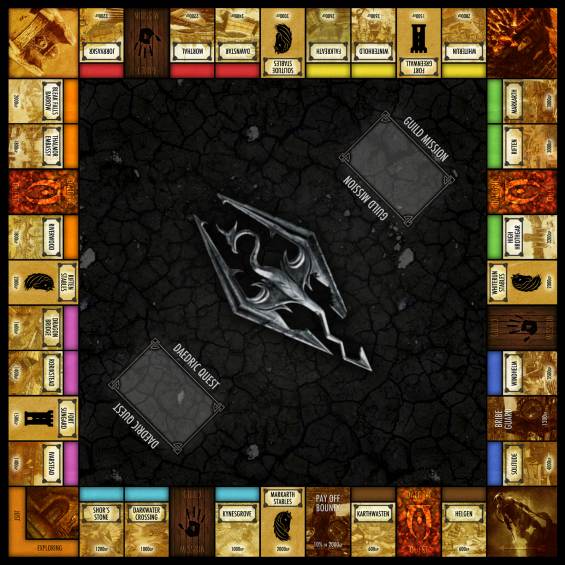
Some awesome guy named "oddeh" over at DeviantArt has created a full size, Skyrim based monopoly board!
There are even cards and coin to print out too!2729 comments
Add your own comment...
| Minecraft is awesome - part 2! | 02/07/2011 19:32 |
| Tweet |
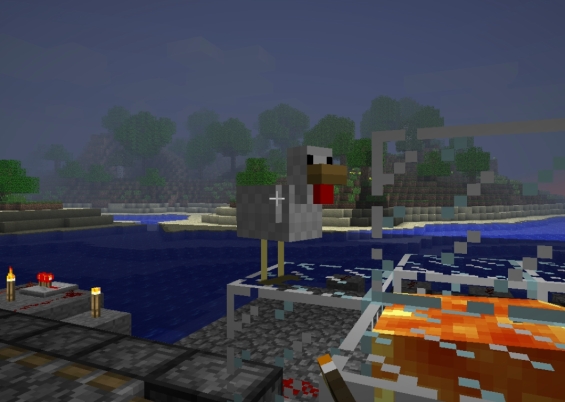
I've spent my day messing around with the new Minecraft pistons in the 1.7 update released a few days ago. The results are in the video above!
I originally wanted to create a self building infinite bridge but my plan was scuppered after I discovered the pistons could only handle pushing up to 12 blocks at a time. Disappointed, I then decided that I'd make a self building floor and it was surprisingly easy.
If I can find the patience then I'd like to use this on a huge multi-story building and somehow make it necessary to blow each floor up to progress to the next level.
Sorry about the picture quality. I used Windows Movie Maker as I was too lazy to hunt for an alternative. I was also going to speed up the middle of the video which is something that WMM allowed you to do in earlier versions but it seems Microsoft have decided to actively remove features in, what I assume, to be a way of making it easier for newbies to use. Couldn't they have an advanced mode? Skip to about 9:30 if you find it's getting boring as it takes ages to build completely, plus I kill a chicken to appease the Minecraft gods.
*** UPDATE ***
Due to request, the map is available to download here - enjoy!2586 comments
Add your own comment...
| Zelda: Ocarina Of Time 3D is here! | 17/06/2011 19:46 |
| Tweet |
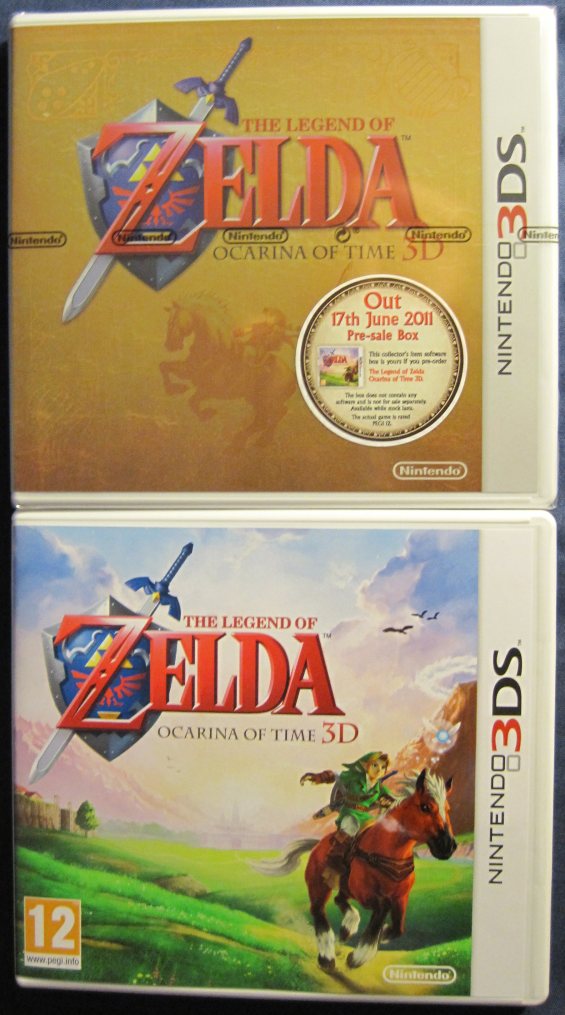
That's my weekend gone!
I was lucky to get hold of the gold box in the end. I pre-ordered on the Gamestation website and received a cancellation e-mail this morning because apparently they were now out of stock! Unperturbed, I ventured through heavy rain to a local Gamestation and snagged the last copy! I told them about pre-ordering it and the guy was good enough to give me the pre-order box too!
The game looks great on the 3DS too and really shows off what it's capable of!
Anyway, back to Hyrule!1800 comments
Add your own comment...
| WTF is this? A Tiger game.com! | 23/05/2011 22:57 |
| Tweet |
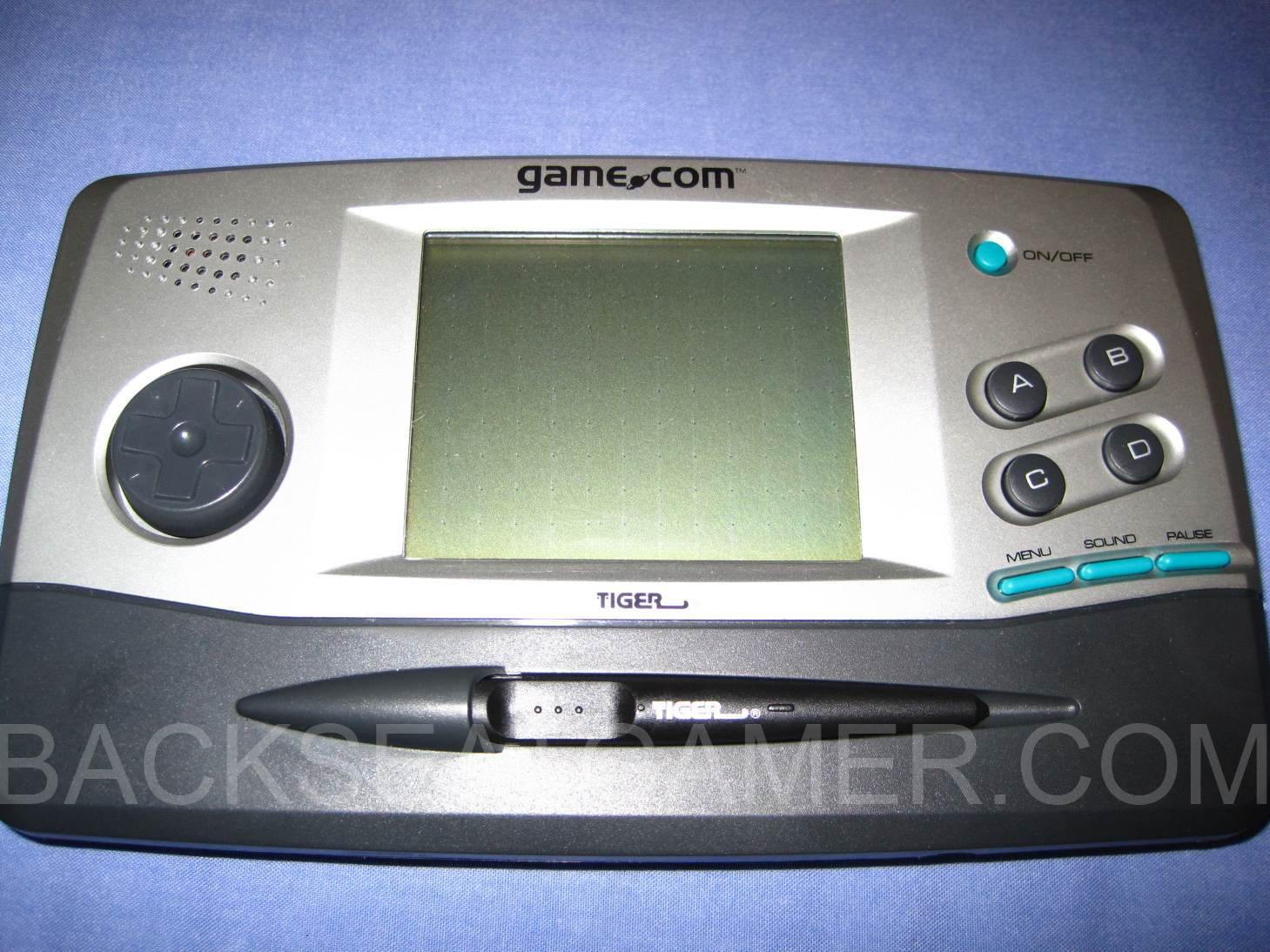
This is Tiger Electronic's failed attempt at a Gameboy competitor. The oft-overlooked handheld can easily be found to purchase on auction websites if you're so inclined but finding out historical information can be tricky.
Released in the back-end of 1997, not only was it the first touch screen handheld by a long stretch, it also 'enjoyed' Internet connectivity via an optional 14.4Kbps external modem!
Read More...3043 comments
Add your own comment...
| A tale of RAM and woe... | 10/01/2011 20:34 |
| Tweet |
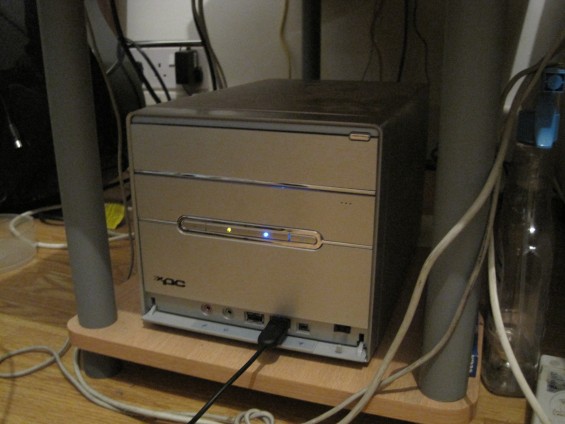
You’re currently viewing an image of the epic box this website is served from. It’s full of server joy! It serves, therefore it is.
Not only does it have an eye wateringly fast Pentium 4 (with HT technology), it also has a staggering 160gb hard disk. How I’m going to fill that up, I’ve no idea! The downside is that it only has a paltry 1gb of RAM and so I decided last week that enough was enough – I’ll treat this bad boy to an upgrade...
Read More...4956 comments
Add your own comment...
| My Top Games of 2010: #5 - Sonic 4: Episode 1 | 04/01/2011 20:32 |
| Tweet |

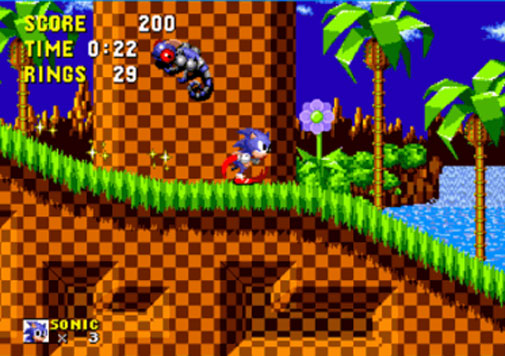
For me, the Sonic games hit their peak in 1994 after the release of Sonic & Knuckles and then the line on the figurative graph of fun plummeted through the basement. I have never managed to truly enjoy any of the newer 3D re-imaginings of the classic franchise, each one seemingly trying harder and harder to frustrate, annoy and deafen me with rocky, poppy, rappy, cringe worthy music. Cutesy characters and childish voices just made them utterly unbearable.
My biggest gripe was the fact that they scrapped the western story canon in favour of the Japanese storyline which, quite frankly, sucks. A considerable amount of my childhood was spent playing the games and reading the comic and so being asked to disregard all that fictitious knowledge was too much for my liking. Also - Dr. Eggman? WTF Sega? WTF?
I digress...
Read More...7709 comments
Add your own comment...
| Speed Running - It's got legs! | 02/01/2011 16:56 |
| Tweet |
I was surfing the Internet yesterday when I came along a new speedrun of Quake. I remember seeing these when I was a kid so finding that people were still trying to better their time on a 15 year old game came as a surprise.
Read More...5261 comments
Add your own comment...
| Minecraft is awesome! | 14/12/2010 19:02 |
| Tweet |
I bought Minecraft a few months ago and I've lost a lot of time and (mental) energy playing it.
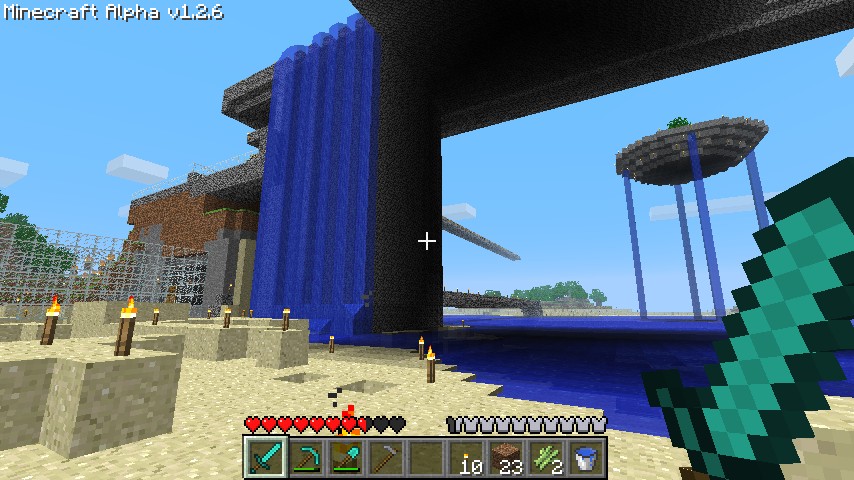
Essentially the premise of the game is to mine materials and then use these to either "craft" objects (such as a pick axe, books, glass e.t.c.) or use them to construct buildings.
Seems simple enough... oh hang about...
Read More...16197 comments
Add your own comment...
Essentially the premise of the game is to mine materials and then use these to either "craft" objects (such as a pick axe, books, glass e.t.c.) or use them to construct buildings.
Seems simple enough... oh hang about...
Read More...16197 comments
Add your own comment...
| Facebook Comments | 25/11/2010 19:02 |
| Tweet |
I'm experimenting with Facebook comments. Feel free to leave one :)
They're a bit big so I'm gonna leave them where they are for now but later I will make it so that you need to click into an article for the comments to show up.2378 comments
Add your own comment...
They're a bit big so I'm gonna leave them where they are for now but later I will make it so that you need to click into an article for the comments to show up.2378 comments
Add your own comment...
| Welcome to Backseat Gamer | 24/11/2010 23:29 |
| Tweet |
Hi all,
I'm Kez and this is my website, Backseat Gamer.
I originally owned this website from 2002 - 2005 with moderate success until I started university and let the domain expire. Due to nostalgia and the addition of "Backseat Gamer" into the Urban Dictionary, I re-purchased the domain in 2009 with the full intent to re-create the winning formula of years gone past (actually the old site was a pile of shit looking back at it but enough on that).
Unfortunately this appears to have been a failure seeing as it's been nearly two years since I took the domain back. Instead of turning this into a proper news and review website, I've now decided to use it as my own personal blog of nonsense. I will attempt to keep it all primarily around games but who the hell knows.
Thanks for reading!
Kez
P.S.
I've left lots of junk around in case I feel like working on it some more! Please ignore it.
You're welcome to try the forums but they are broken and you wouldn't get a reply anyway!4224 comments
Add your own comment...
I'm Kez and this is my website, Backseat Gamer.
I originally owned this website from 2002 - 2005 with moderate success until I started university and let the domain expire. Due to nostalgia and the addition of "Backseat Gamer" into the Urban Dictionary, I re-purchased the domain in 2009 with the full intent to re-create the winning formula of years gone past (actually the old site was a pile of shit looking back at it but enough on that).
Unfortunately this appears to have been a failure seeing as it's been nearly two years since I took the domain back. Instead of turning this into a proper news and review website, I've now decided to use it as my own personal blog of nonsense. I will attempt to keep it all primarily around games but who the hell knows.
Thanks for reading!
Kez
P.S.
I've left lots of junk around in case I feel like working on it some more! Please ignore it.
You're welcome to try the forums but they are broken and you wouldn't get a reply anyway!4224 comments
Add your own comment...
Backseat Facebook
Backseat Tweet
